Go back to list of posts
How to Create AI Mascots to Improve Your Corporate Branding
Last modified: February 1, 2026


Corporate branding is no longer just about logos, color palettes, or typography. In a crowded digital landscape, brands need emotional anchors—elements that make them instantly recognizable, relatable, and memorable. One of the most effective tools for achieving this today is the AI-generated brand mascot.
Thanks to tools like a mascot generator, mascot maker, or AI mascot generator, companies can now design professional mascots faster and more strategically than ever before. When aligned with a strong corporate branding strategy, mascots help companies clearly differentiate themselves from competitors and create long-term brand equity.
This guide explains how to create mascots with AI, why they work so well for corporate branding, and how KADO successfully created KODI Bear using ChatGPT and Gemini. You’ll also see real-world examples of established companies that have successfully integrated mascots into their branding.
Why Mascots Are Powerful in Corporate Branding
A mascot is more than a character. It acts as a visual spokesperson for your brand, reinforcing identity, tone, and values across every touchpoint.
When used strategically, mascots help brands:
- Increase brand recognition and recall
- Humanize complex or technical products
- Create consistency across marketing, product, and sales assets
- Strengthen emotional connection with audiences
This is especially effective when mascots are tied to a broader corporate branding framework that defines positioning, voice, and differentiation. Brands that invest in this level of consistency tend to stand out more clearly in saturated markets.
Why AI Is Changing How Mascots Are Created
Traditionally, mascot creation required long timelines, multiple design revisions, and significant budgets. AI has dramatically simplified this process.
With an AI mascot generator, brands can:
- Rapidly prototype multiple mascot concepts
- Experiment with styles, personalities, and expressions
- Iterate visuals without restarting the entire design process
- Maintain consistency across all brand assets
AI doesn’t replace strategic thinking. Instead, it supports brands undergoing digital transformation, where speed, scalability, and adaptability are essential to staying competitive.
Why KADO Decided to Create a Mascot
KADO is a B2B SaaS platform offering interactive digital business cards designed for modern professionals and teams. Like many SaaS brands, KADO faced a challenge:
- The product delivered clear functional value, but the concept of digital networking could feel abstract
- The brand needed to feel more human and approachable
- Visual consistency was needed across content, product, and social channels
To strengthen its corporate branding and reinforce trust, KADO decided to create a mascot that could visually embody its mission and values.
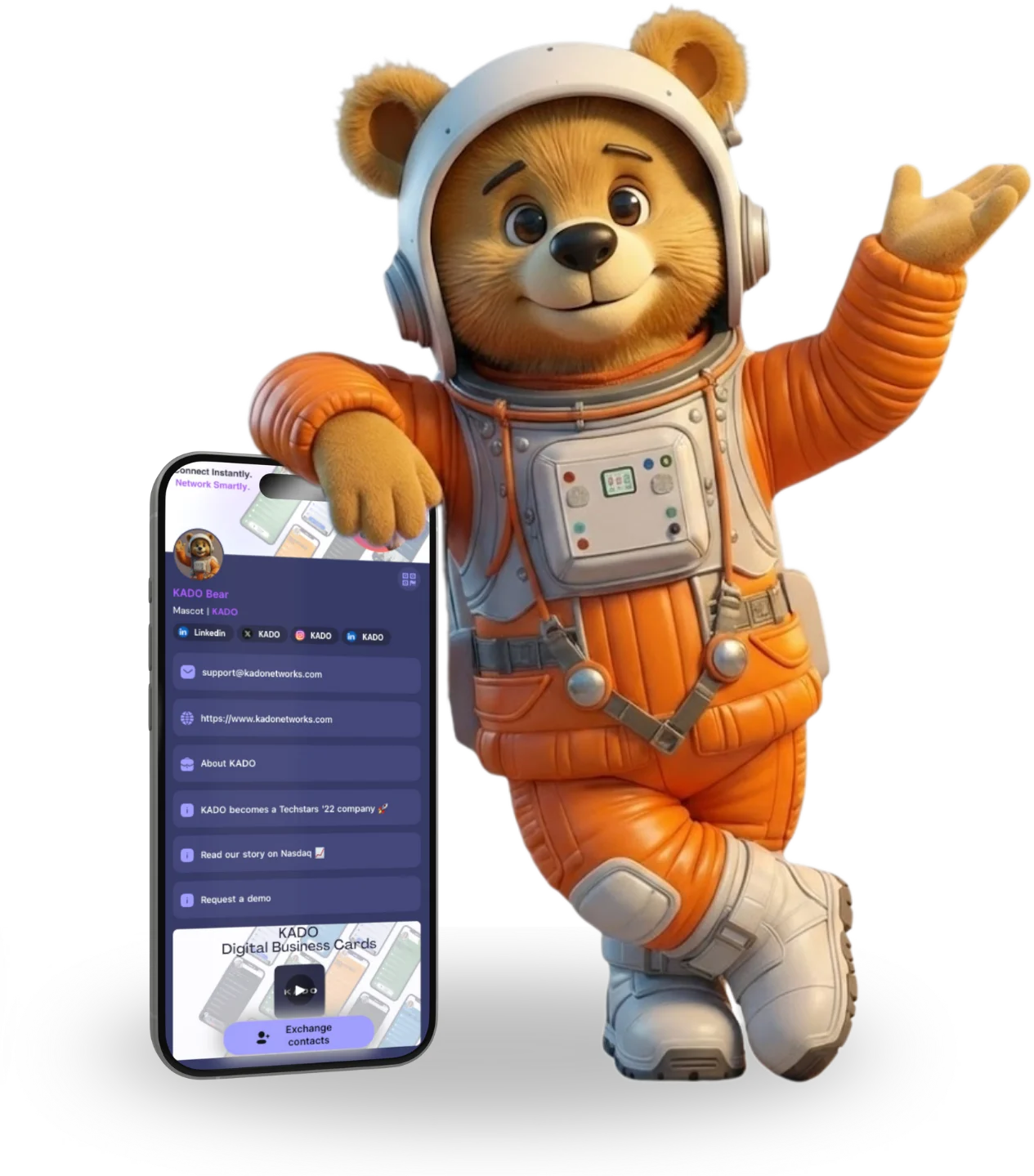
Introducing KODI Bear: A Strategic Brand Asset
KODI Bear was created to represent:
- Trust and reliability
- Professional friendliness
- Exploration and innovation
- A forward-looking digital-first mindset
The bear symbolizes strength and dependability, while the astronaut theme reflects exploration, growth, and connection—core ideas behind KADO’s interactive business cards and professional networking ecosystem.
Rather than being a decorative element, KODI Bear became a brand anchor used across marketing, education, and product storytelling.
Step 1: Define the Mascot Strategy Before Using AI
Before using any mascot maker or AI mascot generator, KADO clearly defined the strategy behind the character.
Key decisions included:
- Species symbolism: Bears communicate trust, warmth, and reliability
- Role metaphor: Astronauts represent exploration, innovation, and the future
- Audience alignment: Approachable for individuals, credible for enterprise teams
- Longevity: A timeless design that would age well with the brand
This step ensured the mascot aligned perfectly with KADO’s broader corporate branding and digital transformation goals.
Step 2: Use ChatGPT to Define Personality and Tone
ChatGPT was first used to define who KODI Bear is, not how he looks.
Example Concept Prompt
Create a corporate brand mascot for a B2B SaaS company focused on digital networking and professional identity.
The mascot should feel trustworthy, intelligent, friendly, and future-oriented.
Define personality traits, tone of voice, core values, and ideal use cases across marketing, product, and social media.
This step ensured KODI’s personality aligned with both corporate branding and personal branding principles—helping users feel confident associating the mascot with their own professional identity.
Step 3: Generate Visuals With an AI Mascot Generator
Once the personality was defined, KADO used Gemini as an AI mascot generator to create the visual character.
Example Visual Prompt
Create a high-quality 3D mascot character of a bear astronaut.
Style: modern, professional, slightly playful
Expression: friendly, confident, trustworthy
Lighting: studio-quality, neutral background
Intended use: corporate branding, website, product UI, social media
Multiple iterations were generated and refined until the mascot:
- Scaled well across devices
- Worked on both light and dark backgrounds
- Matched KADO’s brand colors and visual language
Step 4: Refinement Using a Mascot Maker Workflow
AI generation was treated as a starting point, not the final step.
KADO refined KODI Bear by:
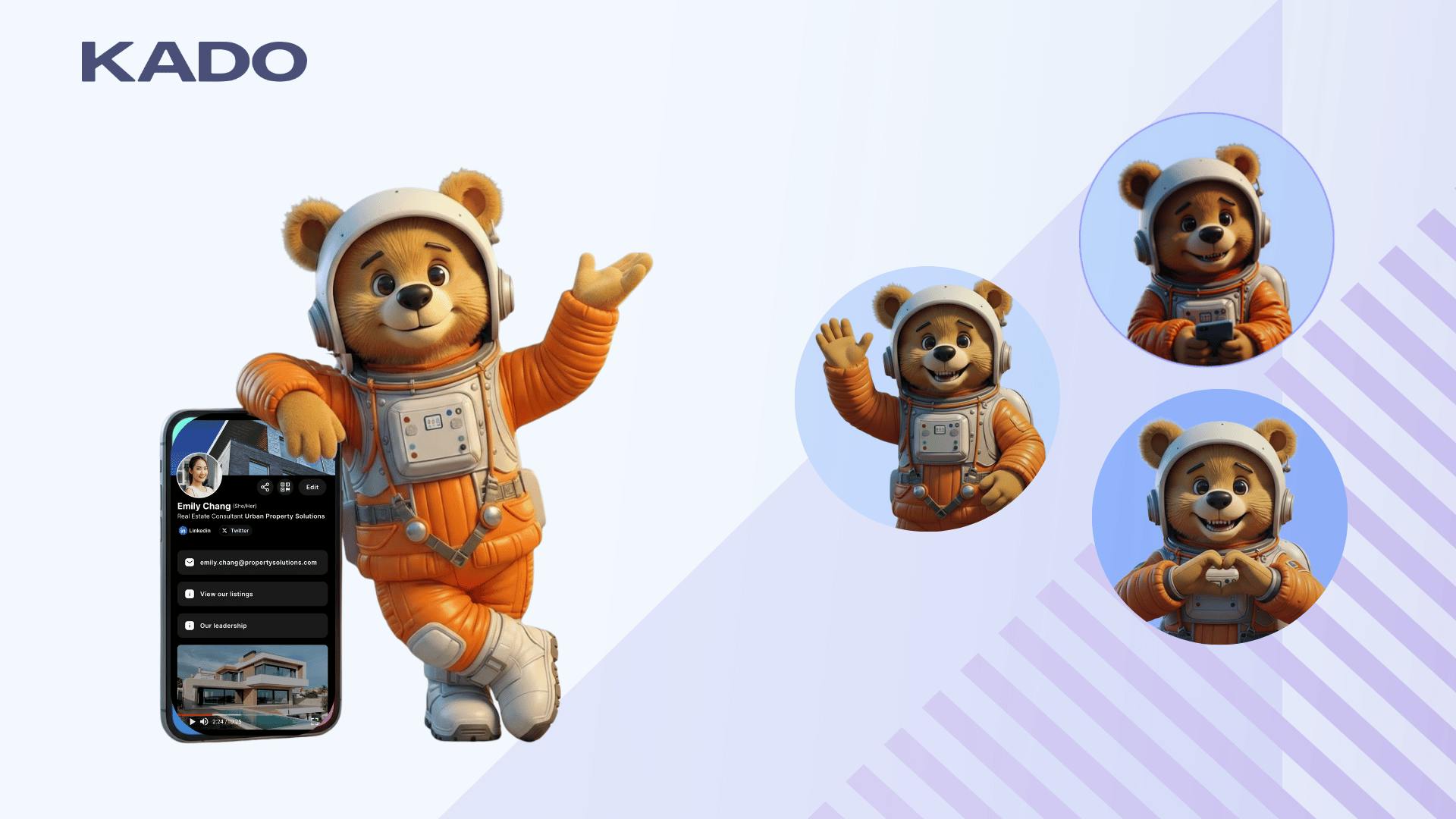
- Creating multiple facial expressions and poses
- Testing visibility in UI components and blog headers
- Ensuring consistency across marketing and product assets
This allowed KODI to be used seamlessly across:
- Website visuals promoting KADO interactive business cards
- Blog content and educational resources
- Social media campaigns
- Product onboarding and feature explanations
Real Companies That Use Mascots Successfully
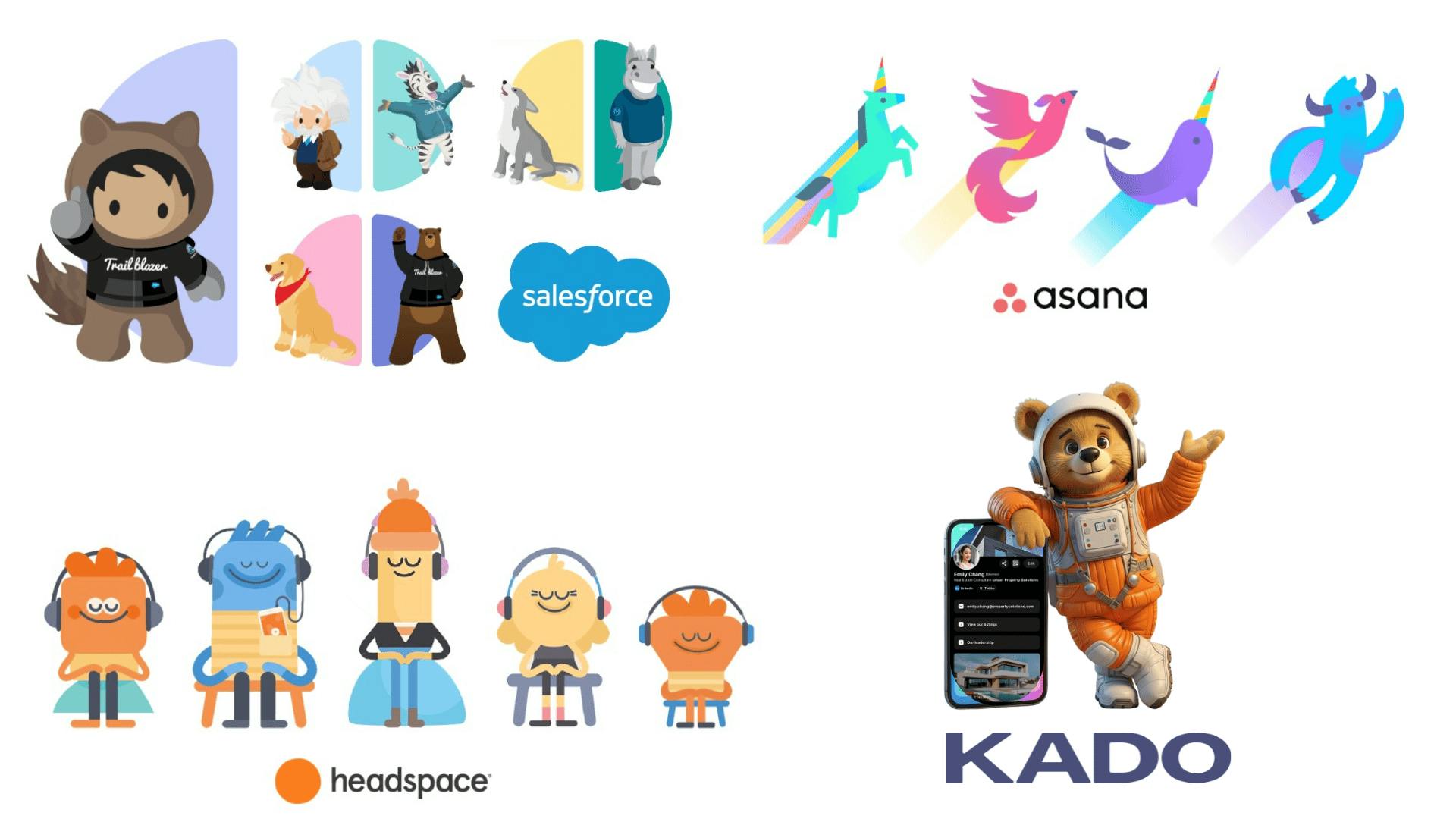
KADO is not alone. Many well-known brands rely on mascots as part of their corporate branding strategy.
Salesforce
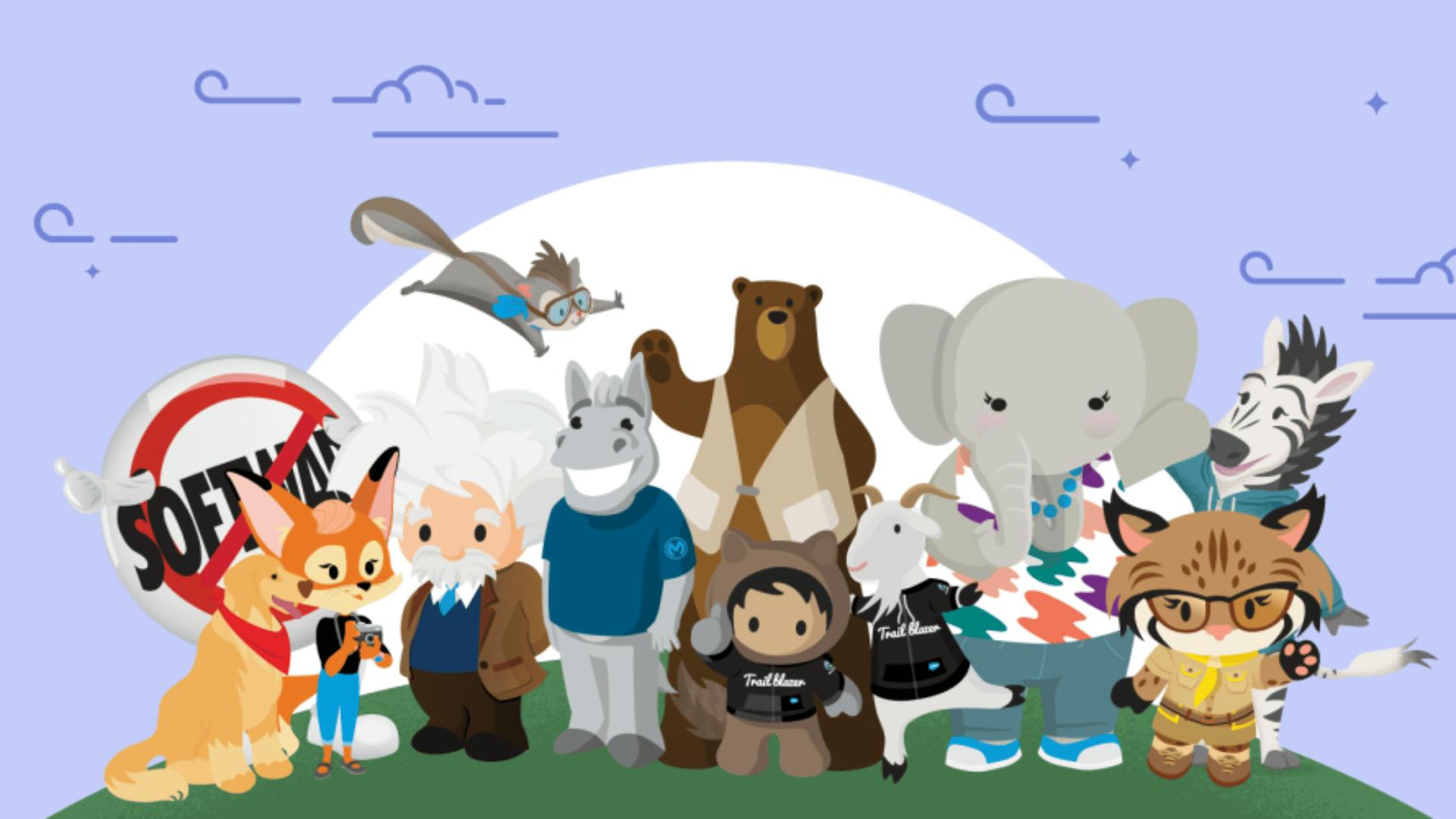
Salesforce uses mascots like Astro and Codey to simplify complex cloud concepts and guide users through its platform, improving onboarding and engagement.
Mailchimp
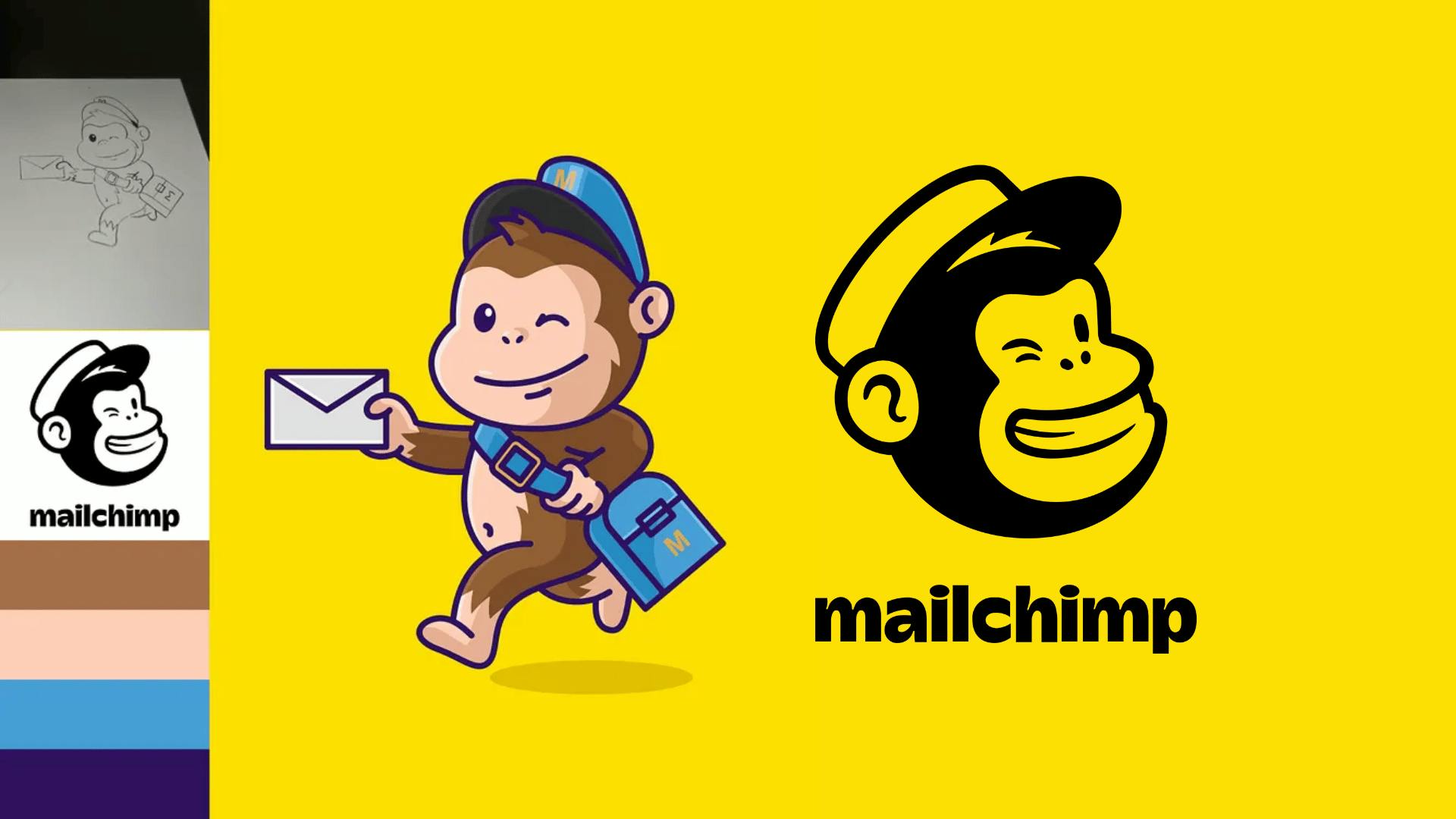
Mailchimp’s mascot Freddie helped position the brand as approachable and creative in a competitive SaaS market.
Duolingo
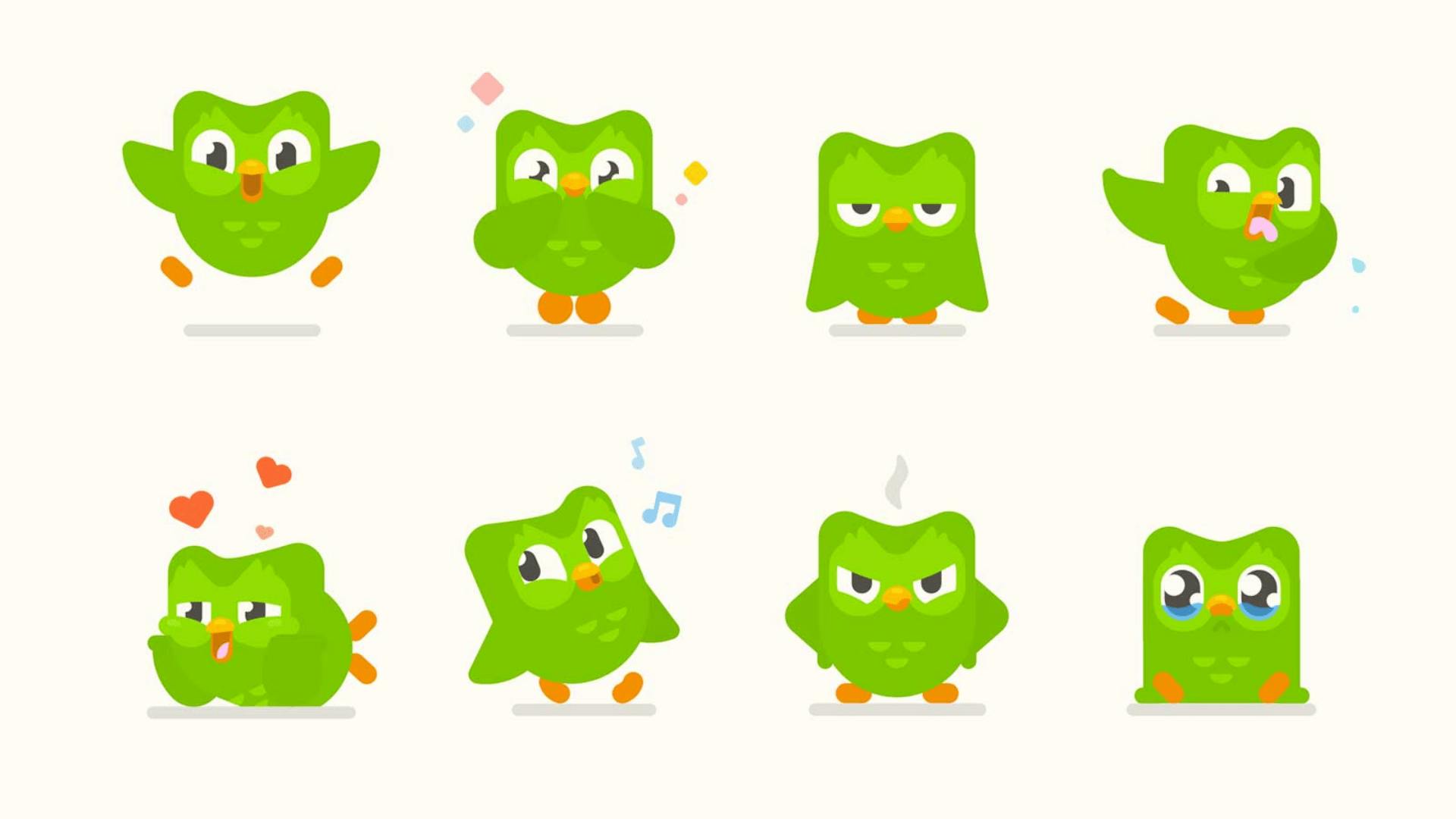
Duolingo’s owl has become a cultural icon, reinforcing daily engagement and brand recall worldwide.
These examples show that mascots are not gimmicks—they are long-term brand assets.
Final Thoughts: Why AI-Generated Mascots Work So Well
AI-generated mascots work because they combine speed, consistency, and strategic flexibility in a way traditional design processes rarely can. When brands use an AI mascot generator thoughtfully, they gain the ability to move faster without compromising quality, maintain visual consistency throughout digital transformation, and reinforce both corporate branding and personal branding at scale—all while reducing long-term creative costs. The key is intent: starting with a clear brand strategy, defining personality before visuals, and iterating in structured phases ensures the mascot is not just visually appealing, but meaningful and durable. When treated as a core brand asset rather than a one-off design, an AI-created mascot becomes a powerful branding multiplier that grows alongside the company.
Frequently Asked Questions
What is an AI mascot generator?
An AI mascot generator is a tool that uses artificial intelligence to create mascot concepts and visuals based on detailed prompts and brand guidelines.
Are AI mascots suitable for B2B brands?
Yes. Many B2B companies use mascots to humanize complex products and strengthen corporate branding without losing credibility.
How does a mascot support personal branding?
Mascots help users emotionally connect with a brand, making it easier for individuals to align the brand with their own professional identity.
Can AI mascots be used across product and marketing?
Yes. When designed correctly, they work across websites, blogs, social media, onboarding, and product UI.
How long does it take to create a mascot with AI?
With a clear strategy, initial concepts can be created in hours rather than weeks.