Torna alla lista dei post
Essential Digital Skills Every Professional Needs in 2026
Ultima modifica: March 23, 2026


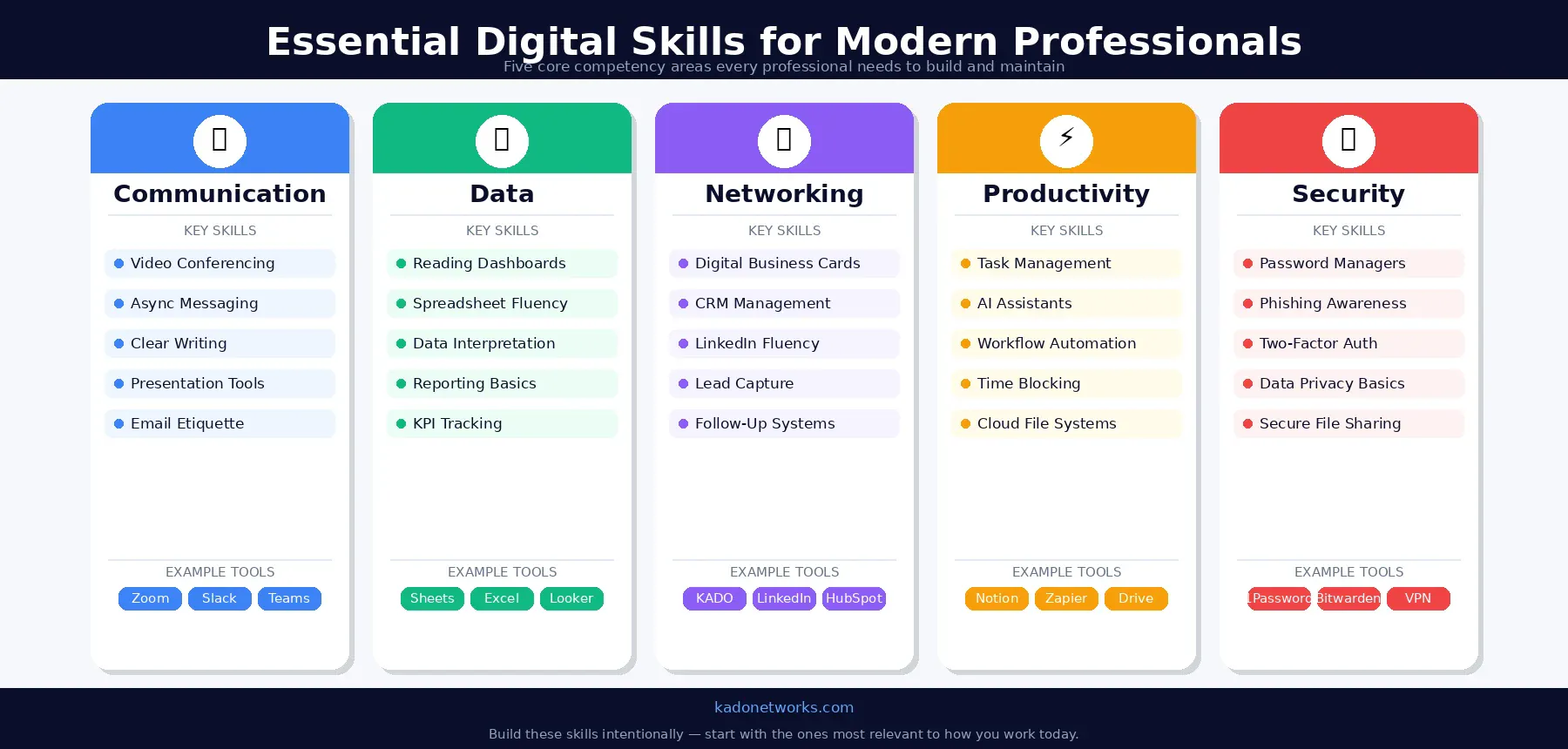
The modern workplace has changed — and so has the definition of being good at your job. Technical expertise and years of experience still matter, but today they need to be backed by essential digital skills that help you work faster, connect smarter, and manage your professional relationships more effectively.
So what is digital skills, exactly? And which ones should you actually prioritize?
This guide breaks down the digital skills that matter most for working professionals — from communication and data literacy to networking tools and personal branding. Whether you are just starting out or looking to sharpen your edge, these are the capabilities worth building.
What Is Digital Skills? A Clear Definition
Digital skills are the abilities required to use technology effectively for work, communication, and problem-solving. They range from basic tasks — like managing email and using productivity software — to more advanced capabilities like data analysis, digital marketing, and CRM management.
The World Economic Forum has consistently ranked digital literacy among the top skills needed for the future of work. But "digital literacy" is broad. In practice, it breaks down into several distinct competency areas that professionals need to understand and develop intentionally.
The key distinction to make: digital skills are not just about knowing how to use a tool. They are about understanding why that tool exists, what problem it solves, and how to use it efficiently in a real workflow.
Why Digital Skills Matter More Than Ever
A few years ago, knowing how to use Microsoft Office was enough to check the "digitally competent" box. That bar has shifted significantly.
Remote and hybrid work, virtual events, global teams, and AI-assisted workflows have raised the baseline for what it means to be effective in a professional role. Professionals who lack key digital skills find themselves:
- Slower to respond and collaborate with their teams
- Less visible in their industry networks
- Missing out on leads and opportunities that go to more digitally fluent peers
- Struggling to demonstrate value in data-driven decision environments
On the other hand, professionals who invest in these skills build credibility, move faster, and tend to have stronger professional networks — because they use the right tools to maintain relationships consistently.
The Core Essential Digital Skills for Professionals
1. Digital Communication and Collaboration
This is the foundation. Professionals need to be fluent in the tools their teams and clients use — not just email, but video conferencing, asynchronous messaging platforms (Slack, Microsoft Teams), shared document editing, and digital project management tools like Asana or Notion.
Being good at digital communication means:
- Writing clearly and concisely in writing-first environments
- Knowing when to use a message vs. a meeting
- Managing notifications without becoming reactive
- Using video calls effectively, including screen sharing and virtual presentation
Strong communicators who can move fluidly across digital channels are more productive and more trusted by their teams and clients.

2. Digital Networking and Contact Management
Networking has always been essential for career and business growth. But the way professionals network has changed dramatically. In-person events still matter, but the follow-through happens digitally — and that is where most professionals lose the opportunity.
Meeting someone at a conference, trade show, or industry event is only valuable if you can follow up efficiently and maintain that relationship over time. This is one of the most overlooked digital skills: knowing how to manage your professional contacts using modern tools.
Paper business cards pile up, get lost, or get thrown away. Professionals who understand how to use digital business card platforms like KADO can share their contact information instantly — via QR code, NFC tap, or a shared link — and immediately begin organizing that contact within a structured system. Notes, tags, and follow-up reminders help turn a 90-second introduction into a lasting professional relationship.
This is not a minor capability. It is a core professional skill for anyone whose work involves building relationships — sales, business development, recruiting, consulting, and beyond. You can explore how digital business cards work in networking events to see this in practice.

3. Data Literacy and Basic Analytics
You do not need to be a data scientist, but you do need to understand data. Data literacy — the ability to read, interpret, and communicate using data — is now a baseline expectation in most professional roles.
This includes:
- Reading dashboards and interpreting key metrics
- Understanding trends and drawing basic conclusions from reports
- Using spreadsheet tools like Google Sheets or Excel for data organization
- Knowing which data matters for your role and which is noise
Professionals who can articulate decisions using data are perceived as more credible and are more effective in cross-functional conversations. Even in relationship-driven roles like sales or recruiting, analytics skills matter — for tracking pipeline health, measuring outreach effectiveness, or evaluating event ROI.
4. CRM and Contact Management Systems
Managing a network of professional contacts without a system is like trying to remember every conversation you have ever had. At a small scale, it is possible. At a professional scale, it is not.
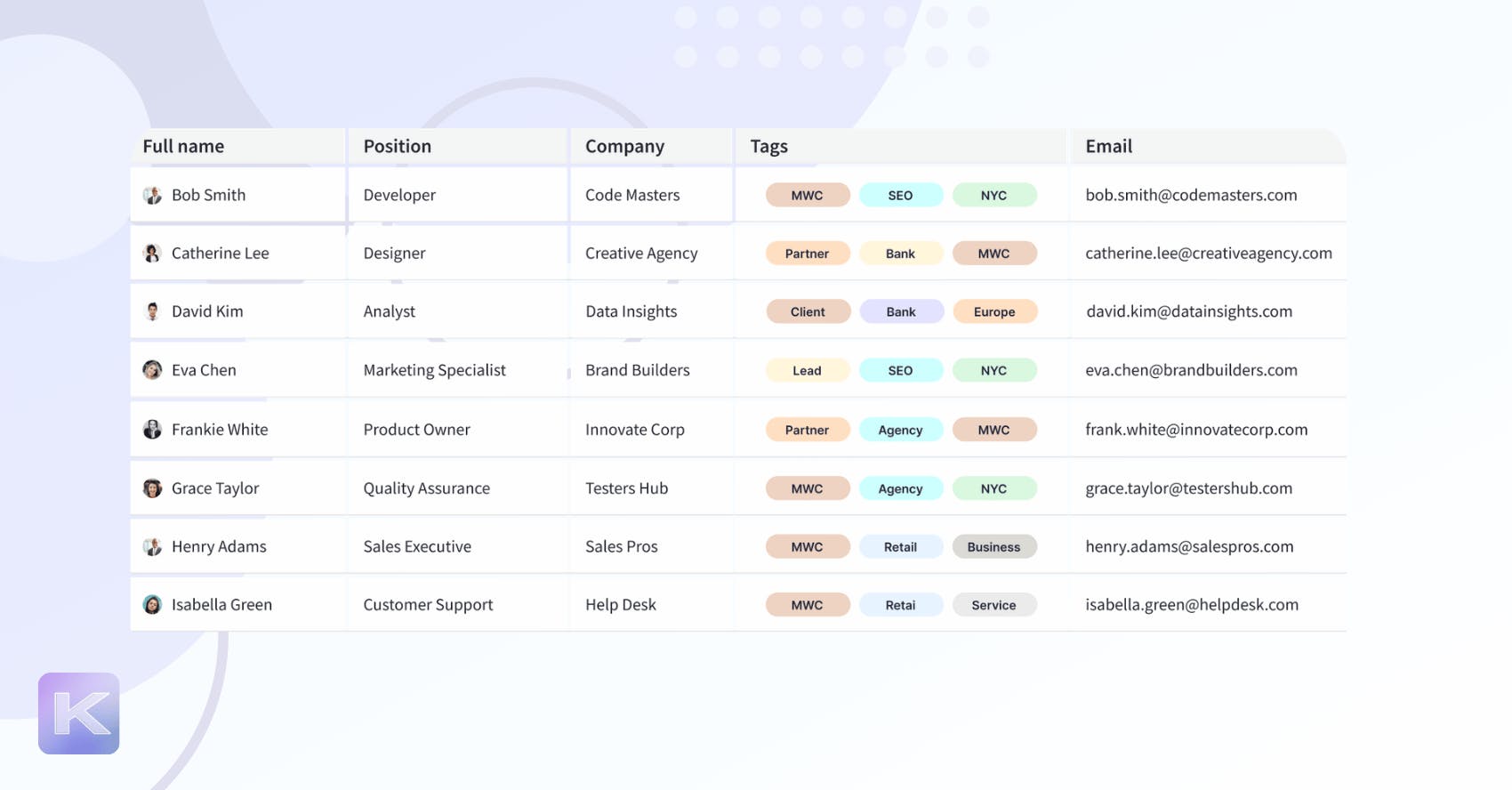
CRM tools — Customer Relationship Management platforms like HubSpot, Salesforce, or Pipedrive — help professionals organize contacts, log interactions, track deals, and set follow-up reminders. Knowing how to use these tools is a critical digital skill for anyone in a client-facing or relationship-intensive role.
Importantly, modern networking tools have begun to integrate directly with CRMs. Platforms like KADO connect with HubSpot and Salesforce, allowing professionals to capture a lead at an event and have it flow directly into their CRM without manual data entry. This kind of workflow integration is the difference between a professional who follows up reliably and one who loses opportunities in a spreadsheet somewhere.
5. Digital Personal Branding
Your digital presence is part of your professional identity. For many contacts, your LinkedIn profile, email signature, or digital business card will be the first — or only — impression they have of you before a meeting.
Digital personal branding involves:
- Maintaining an up-to-date and professional LinkedIn profile
- Creating a consistent visual identity across your professional touchpoints
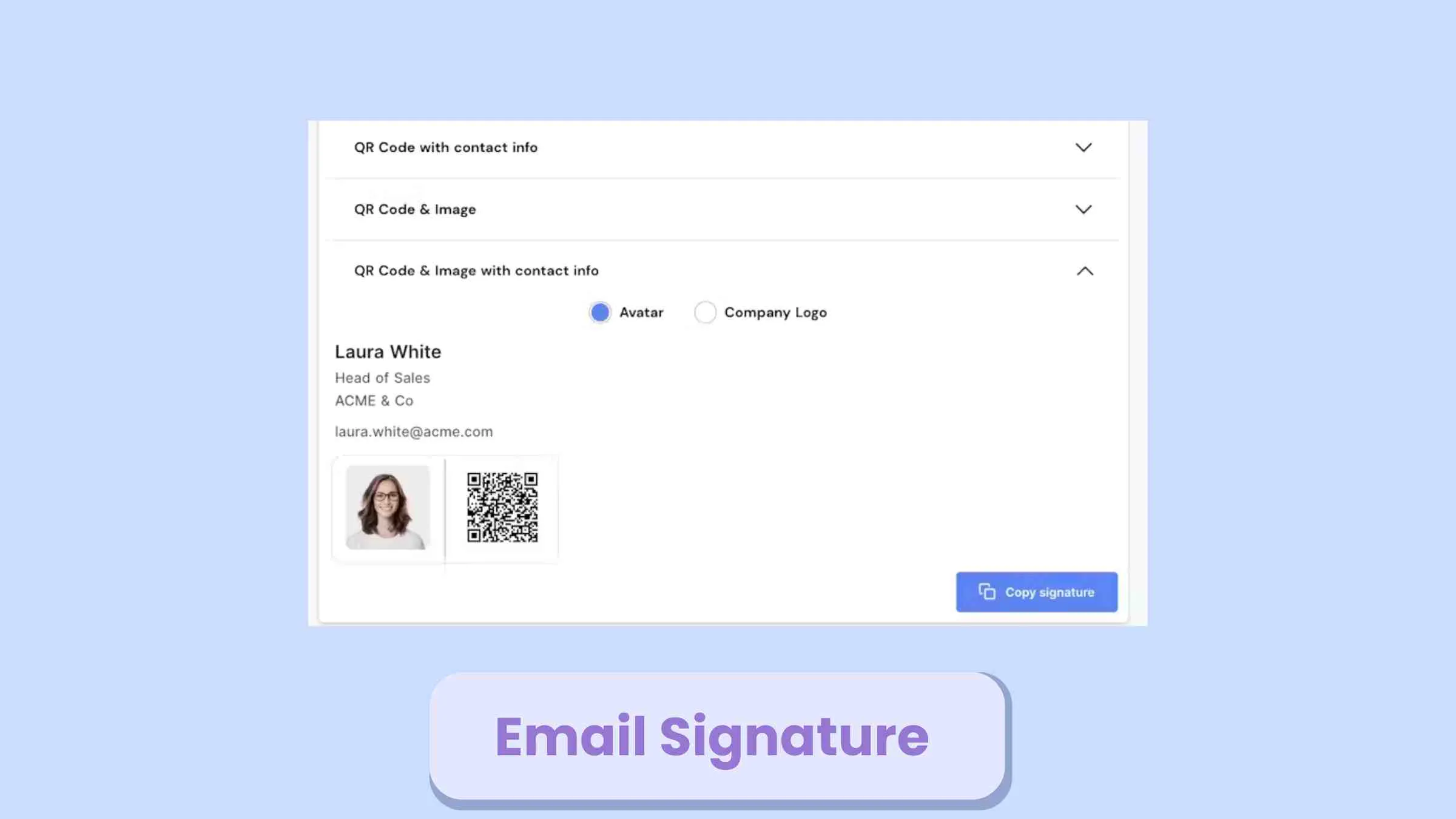
- Crafting an email signature that communicates your role and makes it easy to connect
- Sharing relevant content or commentary in your field to build visibility
One underutilized branding touchpoint is the digital business card email signature. Every email you send is an opportunity to share your contact details, your current role, and a direct link for recipients to save your information — all without any additional effort on your part.
6. Cybersecurity Awareness
This is not the most glamorous digital skill, but it is one of the most important. Professionals who handle client data, financial information, or sensitive communications need to understand the basics of digital security.
That includes:
- Using strong, unique passwords and a password manager
- Recognizing phishing attempts in email and messaging
- Understanding what not to share on public or unsecured networks
- Knowing your organization's data handling and privacy policies
A single security mistake can damage professional relationships and organizational trust in ways that are very difficult to repair. Basic cybersecurity awareness is a non-negotiable part of digital competency.
7. AI Tools and Workflow Automation
Artificial intelligence tools have moved from novelty to utility in a very short time. Professionals who understand how to use AI assistants for drafting, summarizing, researching, and organizing work are gaining real time advantages over those who do not.
This does not mean building AI models. It means:
- Using AI writing assistants to draft or refine communications
- Using automation tools like Zapier to connect apps and reduce manual steps
- Leveraging AI-powered CRM features to surface insights from contact data
- Understanding where AI adds value and where human judgment still leads
The professionals who thrive are not necessarily the ones who fear AI or those who blindly trust it — they are the ones who learn to work alongside it productively.
How to Build Your Digital Skills Intentionally
Understanding which skills matter is the first step. Building them is the next. Here is a practical approach:
| How to Build Your Digital Skills Intentionally | More details |
|---|---|
Audit what you already use | List every digital tool you use in a typical work week. Are you using them well, or just at surface level? Most professionals are underusing the tools they already have access to. |
Identify your biggest gaps | Where do you feel least confident? If it is data, start there. If it is contact management, invest time in learning your CRM. If it is personal branding, spend 30 minutes updating your LinkedIn and digital card. |
Learn in context, not in isolation | The most effective way to build digital skills is to apply them to real work problems. Instead of watching generic tutorials, find a tool that solves a current challenge and learn it through use. |
Build habits around your tools | Digital skills compound over time. A professional who sends a digital business card after every meeting and logs one note per new contact will have a dramatically better-organized network in six months than someone who intends to do it "when there's time." |
Tools That Support Essential Digital Skills
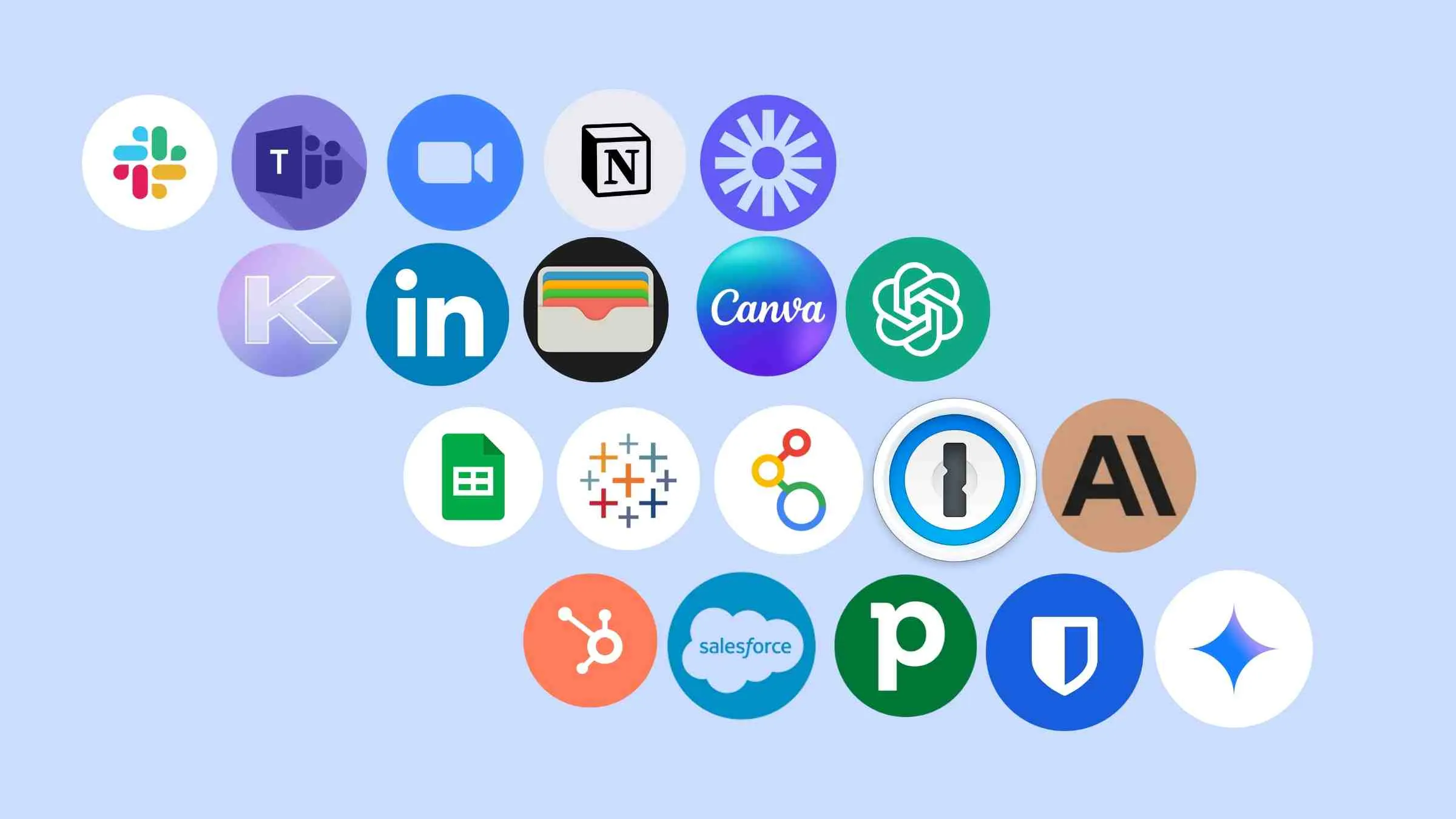
Here is a practical overview of tools organized by skill area:
| Tools to level Digital Skills | More details |
|---|---|
Communication & Collaboration: | Slack, Microsoft Teams, Zoom, Notion, Loom |
Digital Networking & Contact Management: | KADO, LinkedIn, Apple Wallet integration |
Data Literacy: | Google Sheets, Tableau Public, Looker Studio |
CRM: | HubSpot, Salesforce, Pipedrive |
Personal Branding: | LinkedIn, Canva, email signature generators, KADO digital business cards |
Cybersecurity: | 1Password, Bitwarden, Google Workspace security settings |
AI & Automation: | ChatGPT, Claude, Zapier, Notion AI |
You do not need to master all of these. The goal is to identify which tools are most relevant to your role and invest in using them well.
Industry-Specific Digital Skills Worth Noting
While the skills above apply broadly, some professions have specific digital needs:
Sales professionals need strong CRM fluency, lead capture capabilities at events, and automation skills for follow-up sequences.
Recruiters benefit from LinkedIn Recruiter proficiency, ATS (Applicant Tracking System) knowledge, and the ability to manage large contact networks efficiently. See how digital business cards support recruiters in maintaining candidate relationships.
Founders and venture capitalists need digital branding skills, pitch deck sharing capabilities, and tools that help them stay top of mind with investors and portfolio founders. A well-structured digital networking approach for founders and funders can be a meaningful competitive advantage.
Marketing professionals need data and analytics fluency, content platform skills, and tools for consistent brand management across digital touchpoints.
Final Thoughts
Essential digital skills are not a one-time certification or a weekend course. They are habits and capabilities that develop over time, through consistent use of the right tools applied to real professional challenges.
The professionals who stay competitive are not necessarily the ones with the most technical knowledge. They are the ones who understand which tools help them work better, communicate more clearly, and build stronger relationships — and then use those tools consistently.
Start with the skills most relevant to how you work today. Build from there. And where networking and contact management are concerned, make sure your digital presence and follow-up habits are working as hard as the conversations you are having.
Domande Frequenti
What is digital skills in simple terms?
Digital skills are the abilities needed to use technology effectively for work and communication. They include everything from basic computer literacy to more specialized capabilities like data analysis, CRM management, and digital networking. In the modern workplace, digital skills are not optional — they are a baseline expectation for most professional roles.
Can I improve my digital skills without formal training?
Yes. Most digital skills are best learned through hands-on use. Start with the tools you already have, explore their full feature sets, and apply them to real work problems. Many platforms — including LinkedIn Learning, Coursera, and Google's Digital Garage — offer free or low-cost courses for structured learning.
What tools are best for managing professional contacts digitally?
For most professionals, a combination of a CRM (such as HubSpot or Salesforce) and a digital business card platform like KADO provides comprehensive contact management. KADO allows you to capture and organize contacts at events, then sync them directly to your CRM for structured follow-up.