Torna alla lista dei post
15 Content Marketing Tools We Recommend for 2026
Ultima modifica: April 21, 2026


Content Marketing im Jahr 2026 dreht sich nicht mehr darum, einfach mehr Inhalte zu veröffentlichen. Es geht darum, Systeme aufzubauen, die Ihnen helfen, die richtigen Inhalte zu 5. Google Analytics 4 (GA4)
Was es ist:
GA4 ist Googles Analytics-Plattform zur Analyse des Nutzerverhaltens über Websites und Apps hinweg.
Warum es für Content Marketing wichtig ist:
GA4 hilft Teams zu verstehen, wie Nutzer mit Inhalten interagieren und wie Content zu Conversions beiträgt.
Wichtige Anwendungsfälle:
- Messung von Engagement
- Tracking von Content-unterstützten Conversions
- Identifikation der leistungsstärksten Seiten
GA4 verlagert den Fokus von reinem Traffic hin zu messbaren Ergebnissen.

6. Google Search Console
What it is:
Google Search Console provides insights directly from Google about search visibility and indexing.
Why it matters for content marketing:
It shows which queries drive impressions, where rankings drop, and where optimization is needed.
Key use cases:
- Improving click-through rates
- Monitoring indexing health
- Identifying optimization opportunities
Search Console is essential for search-driven content strategies.

7. Canva
What it is:
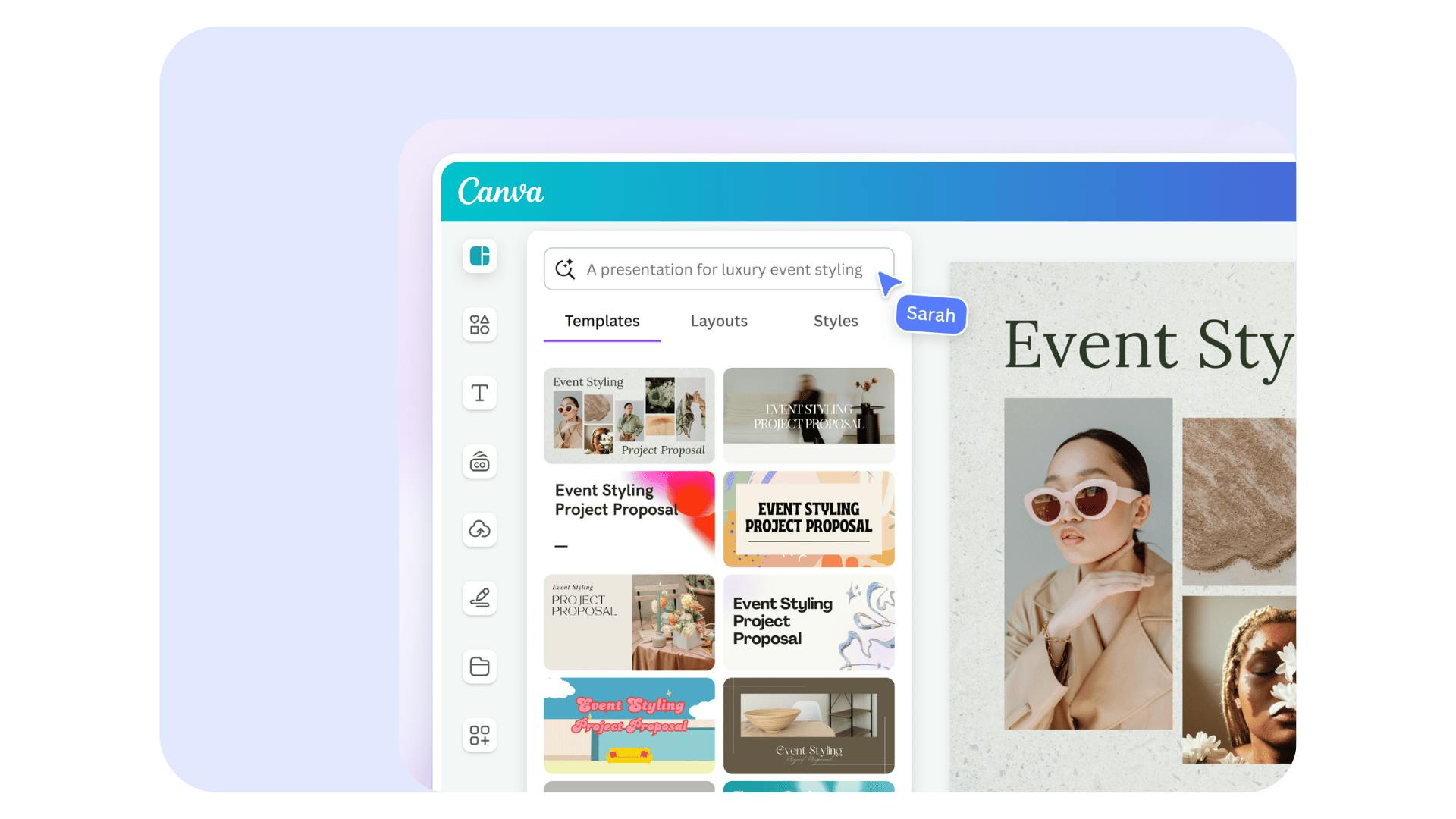
Canva is a visual design tool built for speed and accessibility.
Why it matters for content marketing:
Strong visuals improve engagement and comprehension. Canva allows teams to produce on-brand assets without design bottlenecks.
Key use cases:
- Blog graphics
- Social media visuals
- Lead magnets
Visual content supports readability and distribution.
8. Grammarly
What it is:
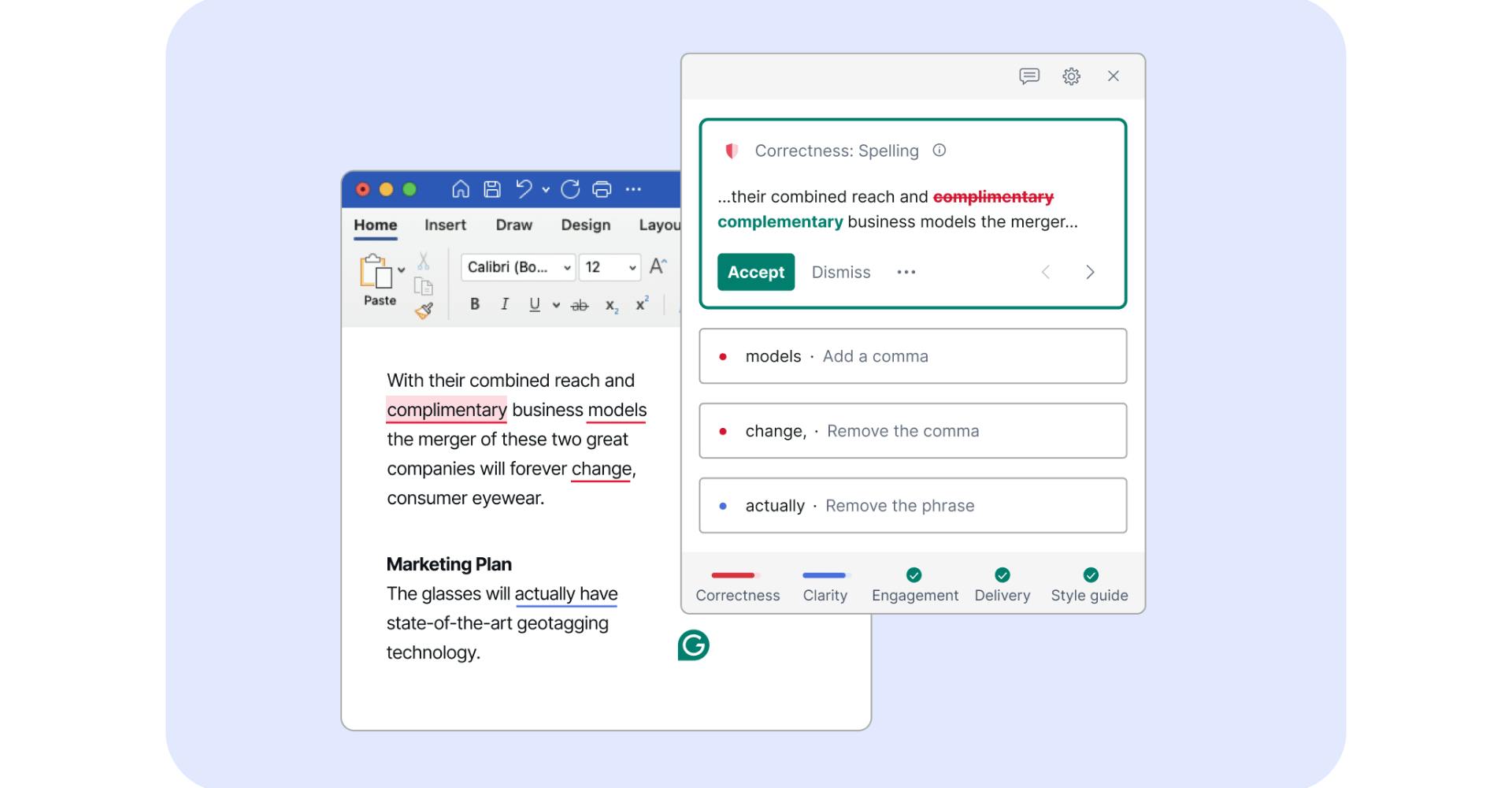
Grammarly is a writing assistant focused on clarity, tone, and correctness.
Why it matters for content marketing:
Clear writing builds trust. Grammarly helps teams maintain consistency across contributors and formats.
Key use cases:
- Editing blog posts
- Improving readability
- Aligning tone with brand voice
Quality writing remains a competitive advantage.
9. Surfer SEO
What it is:
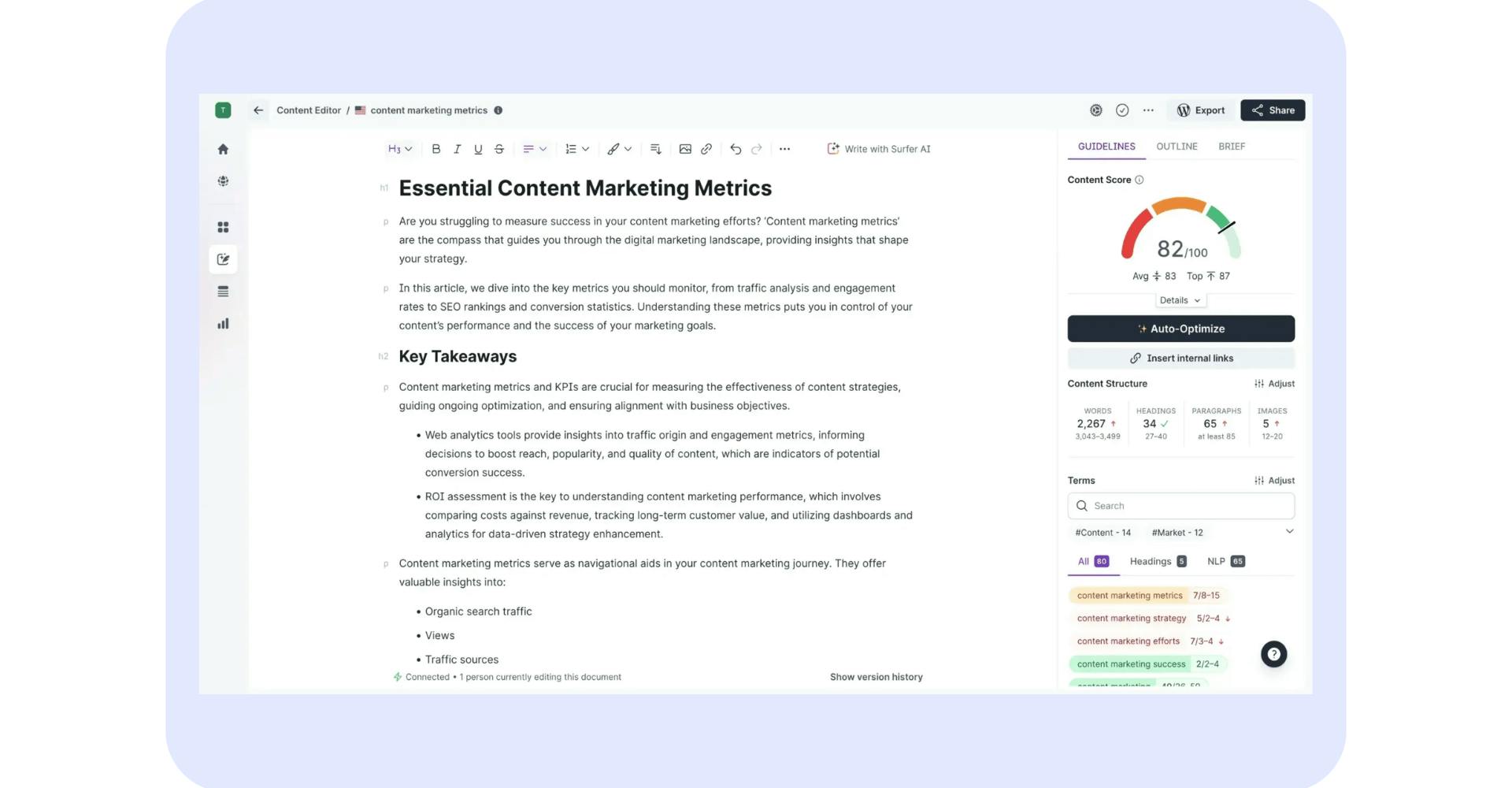
Surfer SEO analyzes top-ranking pages to guide on-page optimization.
Why it matters for content marketing:
It helps structure content to match search intent while maintaining quality.
Key use cases:
- Optimizing long-form articles
- Improving topical coverage
- Enhancing structure
Surfer supports smarter optimization—not shortcuts.
10. BuzzSumo
What it is:
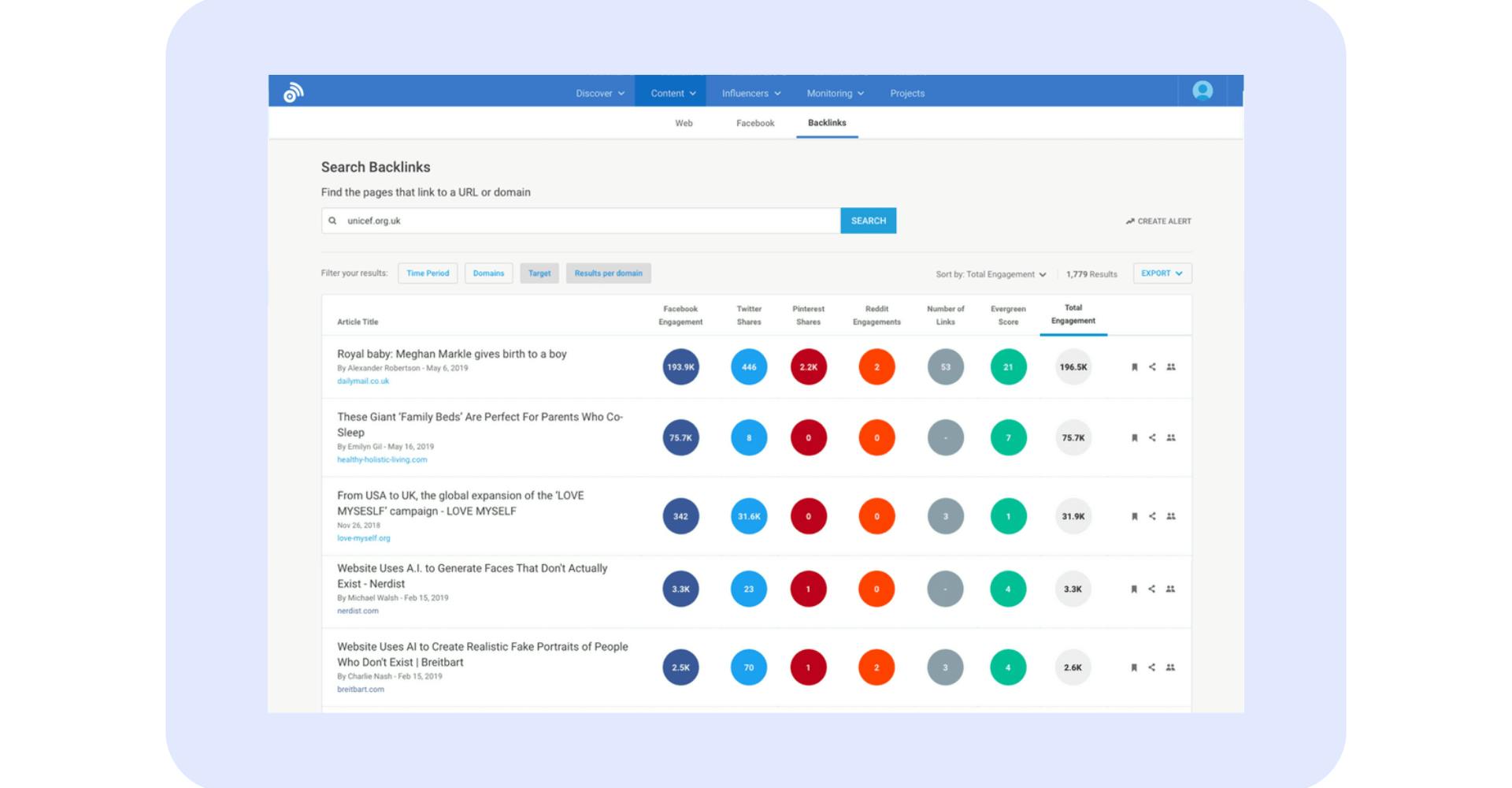
BuzzSumo is a content research and trend analysis tool.
Why it matters for content marketing:
It reveals what content performs well across platforms and industries, helping teams validate ideas.
Key use cases:
- Content ideation
- Trend discovery
- Performance benchmarking
BuzzSumo reduces guesswork in planning.
11. MailerLite
What it is:
MailerLite is an email marketing platform with automation and landing pages.
Why it matters for content marketing:
Distribution is critical. MailerLite helps ensure content reaches and nurtures the right audience.
Key use cases:
- Promoting blog content
- Building content-driven email sequences
- Converting readers into leads
Email remains one of the most effective content channels.

12. ElevenLabs
What it is:
ElevenLabs is an AI voice and text-to-speech platform used to generate realistic voiceovers and audio content.
Why it matters for content marketing:
Audio content is growing fast. ElevenLabs helps teams repurpose written content into audio formats without hiring voice talent or recording equipment.
Key use cases:
- Turning blog posts into audio summaries
- Creating voiceovers for videos and social content
- Supporting accessibility and multi-format content strategies
ElevenLabs is especially useful for teams expanding into podcasts, short-form video, or voice-driven content in 2026.

13. Hotjar
What it is:
Hotjar provides heatmaps, session recordings, and feedback tools.
Why it matters for content marketing:
It shows how users interact with content, revealing friction points and opportunities for improvement.
Key use cases:
- Improving content layout
- Understanding scroll behavior
- Enhancing user experience
Behavioral insights complement analytics data.

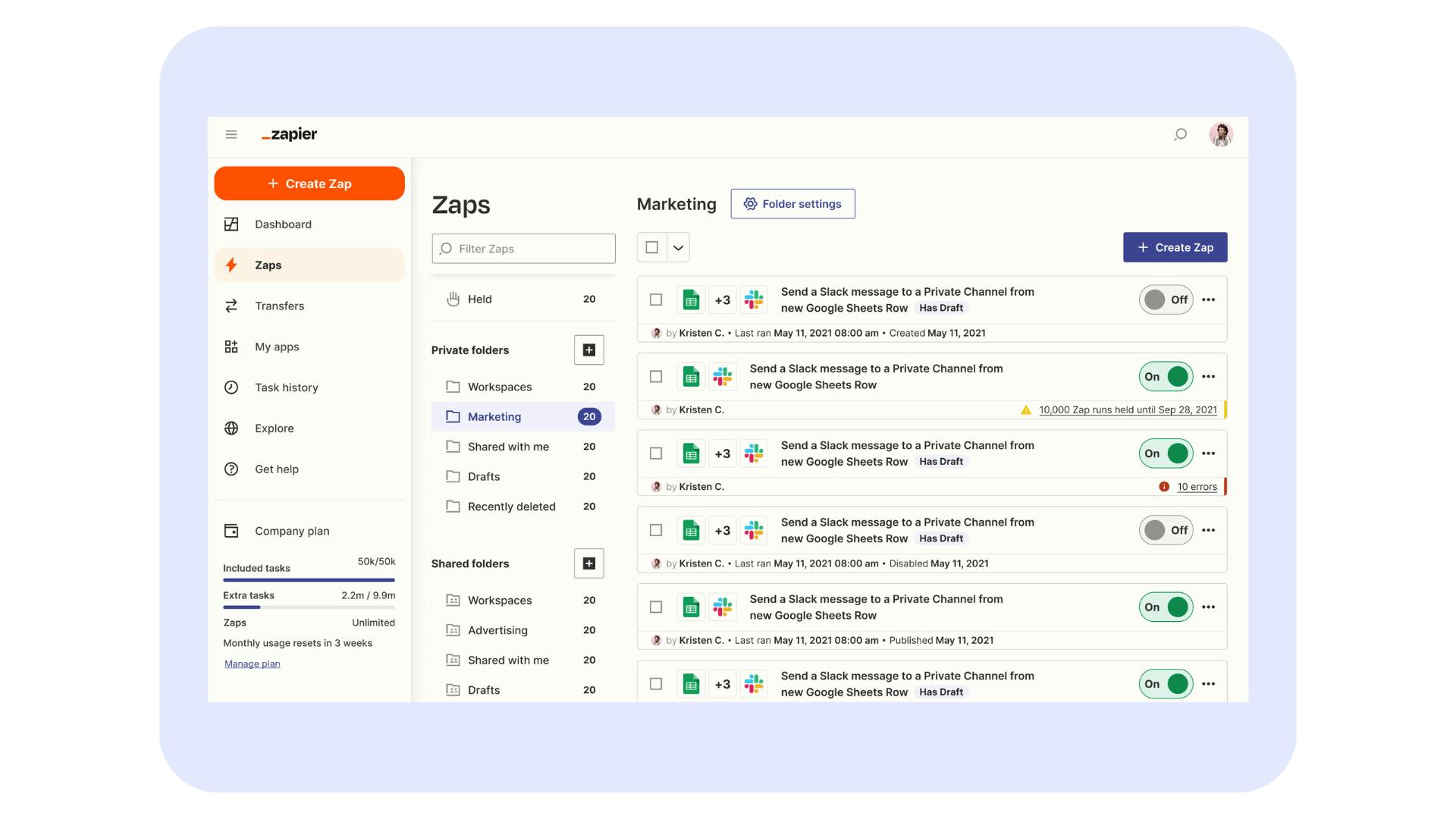
14. Zapier
What it is:
Zapier automates workflows by connecting different tools.
Why it matters for content marketing:
Automation keeps content operations efficient as teams scale and adapt to changing Digital Marketing trends.
Key use cases:
- Automating content distribution
- Syncing leads and data
- Reducing manual tasks
Automation supports consistency and speed.
15. KADO
What it is:
KADO is a modern digital business card and contact management platform designed for professionals and teams.
Why it matters for content marketing:
KADO connects content with real-world interactions, helping teams capture leads and share content instantly during meetings, conferences, and entrepreneur networking events.
Key use cases:
- Sharing content via QR codes
- Capturing and managing contacts
- Bridging online content with offline engagement
In 2026, content doesn’t stop at the screen. KADO helps extend its impact beyond traditional channels.

How to Build the Right Content Marketing Stack
Not every team needs every tool. The most effective content stacks are intentional, aligned with clear goals, and designed to scale without adding unnecessary complexity.
When choosing content marketing tools, start by evaluating:
- Primary channels: Are you focused on SEO, email, social distribution, events, or a mix? Your tools should support where your audience actually engages.
- Team size and workflows: Solo creators, small teams, and enterprise teams require very different levels of collaboration, automation, and oversight.
- Measurement and attribution needs: Make sure you can track how content contributes to traffic, engagement, leads, and conversions—not just views.
The goal isn’t to collect tools. It’s to build a stack that removes friction, improves execution, and supports sustainable growth over time.
Final Thoughts
Effective content marketing relies on systems, not shortcuts. The tools outlined here represent some of the top content marketing tools for 2026 because they help teams plan with clarity, execute consistently, and measure what truly matters.
When chosen thoughtfully, the right tools amplify skills, strengthen strategy, and allow quality content to compound. Focus on alignment over volume, and your content efforts will deliver long-term results.
Domande Frequenti
What are the best tools for content marketing?
The best tools for content marketing help teams plan, create, distribute, and measure content efficiently. Popular options include platforms for SEO research, content creation, analytics, email distribution, and automation. The right tools depend on your goals, channels, and team size, but the most effective ones support the full content lifecycle rather than a single task.
What tools align marketing and sales content?
Tools that align marketing and sales content typically combine content management, CRM, and analytics. These platforms allow teams to track how content influences leads, deals, and customer interactions. When marketing and sales share data and visibility, content becomes more relevant, consistent, and effective across the entire buyer journey.
What are the best AI tools for content marketing?
The best AI tools for content marketing assist with writing, optimization, repurposing, and content enhancement. They help teams work faster while maintaining quality, whether through writing support, SEO guidance, audio generation, or automation. AI tools are most effective when used to support strategy and creativity—not replace them.