Torna alla lista dei post
Professional Etiquette: How to Make a Great First Impression When Meeting Someone New
Ultima modifica: April 6, 2026


You meet someone at a conference. You shake hands, introduce yourself, exchange a few words — and then... nothing. No follow-up. No connection made. Just a vague memory of someone whose name you already forgot.
Sound familiar?
Professional etiquette isn't about memorizing a rulebook. It's about making people feel comfortable, respected, and genuinely interested in staying in touch with you. Whether you're walking into a job interview, attending a networking event, or just meeting a new colleague for the first time, knowing how to carry yourself matters more than most people think.
This guide breaks down the key rules of business etiquette in a way that's actually useful — no stuffy formalities, just practical habits that make you more memorable, more likeable, and more professional.

Why Business Etiquette Still Matters (More Than You Think)
In a world full of Slack messages and LinkedIn DMs, you might wonder if old-school business etiquette is even relevant anymore. Short answer: absolutely yes.
First impressions form in under 7 seconds. That's not a lot of time to communicate your competence, warmth, and professionalism — but the right behaviors can do exactly that. And on the flip side, small etiquette slip-ups (interrupting, forgetting names, checking your phone mid-conversation) can quietly damage your reputation before you've even had a chance to prove yourself.
Good professional etiquette also signals emotional intelligence — something that employers, clients, and collaborators actively look for. It's not just about being polite. It's about showing that you're self-aware, respectful of others' time, and someone worth knowing.

The First 30 Seconds: Your Introduction
Let's start where it all begins — the moment you meet someone new.
How to Introduce Yourself Without Awkwardness
Most people stumble here because they either oversell themselves ("I'm the VP of Growth and Innovation at a Series B SaaS company") or go too vague ("I work in... tech, kind of"). Neither helps the other person connect with you.
A strong professional introduction answers three things quickly:
- Who you are (name, role)
- What you do (in plain language)
- Why that might be relevant (context that opens a conversation)
Example: "Hi, I'm Sara — I help companies keep their sales teams better organized. I work in CRM onboarding."
Simple, clear, conversation-worthy. No jargon. No life story.
One thing many people skip: repeating the other person's name right after they say it. It feels natural in the moment and genuinely helps you remember it — which matters a lot five minutes later when you go to introduce them to someone else.

Your Body Language Does Half the Talking
Before you even open your mouth, your posture and eye contact are already sending signals.
A few things that work in your favor:
- Stand or sit upright — slouching reads as disinterest
- Make steady (not intense) eye contact — aim for natural, not a staring contest
- Don't cross your arms — it creates an invisible wall
- Smile genuinely — a forced smile is easy to spot and awkward for everyone
And your handshake? Firm, brief, and confident. Not a death grip. Not a limp fish. Just solid and human.
During the Conversation: The Golden Rules
Once introductions are done, the real test of your professional etiquette begins. This is where most people either click with someone — or quietly lose them.
1️⃣ Listen More Than You Talk
This is probably the single most underrated networking skill. Most people are so busy thinking about what they'll say next that they stop actually listening to what the other person is saying.
Active listening looks like:
- Nodding and giving small verbal cues ("Right," "That makes sense," "Interesting")
- Asking follow-up questions based on what they said (not just pivoting back to yourself)
- Pausing before you respond — it shows you actually processed what they said
People remember how you made them feel. If someone leaves a conversation feeling truly heard, they'll remember you positively — even if they can't recall exactly what you talked about.
For more on this, check out KADO's guide on how to improve communication skills — it covers practical techniques that go beyond the basics.
2️⃣ Don't Hijack the Conversation
There's a fine line between being engaged and talking about yourself the entire time. If every story they share somehow reminds you of your own story — and you jump straight into it — that's a red flag.
A good rule of thumb: for every thing you share about yourself, ask one question about them. Keep the exchange balanced.
3️⃣ Topics to Lean Into (and a Few to Avoid)
Good conversation openers in a professional context:
- What brought them to this event / company / city
- What they're currently working on or excited about
- A shared experience from the event you're both at
Topics to handle carefully:
- Politics and religion — unless you know the person well
- Salary and compensation — too personal too fast
- Complaints about your current employer — it reads as unprofessional
The Art of the Graceful Exit
Knowing how to leave a conversation gracefully is just as important as starting one well. Hovering awkwardly or just wandering off mid-sentence doesn't exactly leave a stellar impression.
A few natural ways to wrap up:
- "It was really great meeting you — I'd love to stay in touch."
- "I don't want to keep you — let's swap contact info before we head off."
- "I have to catch someone before they leave, but let's connect."
These close the interaction on a warm note and naturally open the door to follow-up.
Exchanging Contact Info the Right Way
This is where a lot of the value from a conversation either gets captured — or evaporates.
The old way: fumbling through your bag for a paper business card (that will later end up in a drawer and never be seen again). The new way: sharing your contact info digitally, instantly, in a way the other person can actually use.
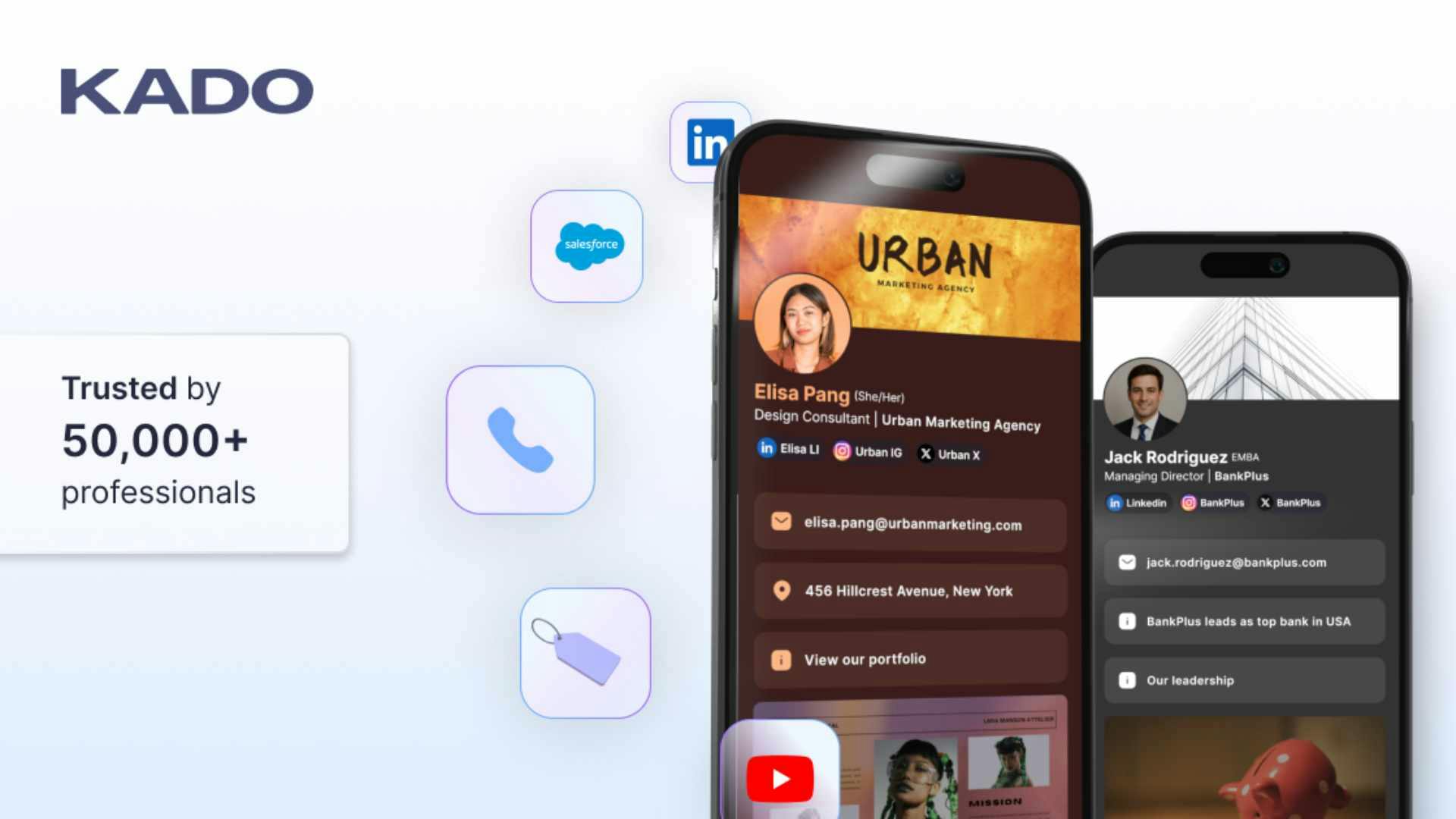
This is exactly where tools like KADO come in. KADO lets you share your digital business card with a tap or a QR scan — no paper, no typos, no lost cards. The person you just met gets your real, up-to-date contact details directly on their phone, and you can add notes on who they are right after the conversation ends.

It also removes the awkward moment of "do I have a card on me?" — because your KADO business card is always on your phone. You can check out how professionals are using digital tools like this in our guide on business networking 101.
After the Meeting: The Follow-Up That Seals the Deal
You nailed the introduction. The conversation flowed. You exchanged details. Now what?
The follow-up is where most professionals drop the ball — and where you can easily stand out.
The 24-Hour Rule
Send a follow-up message within 24 hours of meeting someone. It doesn't have to be long. Just something that:
- Acknowledges the meeting
- References something specific from your conversation
- Leaves a natural opening for next steps
Example:
"Hey Marcus — great meeting you at the event yesterday! Really enjoyed our conversation about the shift in B2B sales cycles. Would love to stay connected and hear more about what you're building."
That's it. Short, specific, human.
That's why it is key to learn how to follow up after a networking event.
A Quick Note-Taking Habit That Changes Everything
Right after a conversation — while it's still fresh — jot down:
- Where you met them
- What you talked about
- Any personal detail they mentioned (they're switching jobs, they have a conference coming up, etc.)
This sounds small, but three months later when you reconnect, being able to reference something specific makes you seem thoughtful and attentive in a way most people just aren't.
KADO actually has a built-in notes feature for exactly this — you can tag contacts and leave contextual notes right in the app after each interaction. It's a quiet but powerful habit for anyone doing serious relationship-building. Pair this with the tips in 16 tips on how to improve networking skills and you'll stand out in almost any professional setting.
Etiquette for Specific Situations
At a Networking Event
Networking events have their own unspoken rules. A few to keep in mind:
- Don't monopolize one person — circulate and let conversations breathe
- Introduce people to each other when you can — it's generous and memorable
- Step away from your phone — being visibly distracted is one of the fastest ways to kill a conversation
- Use name badges — glancing at someone's badge is not rude, it's human
Having a clear, compelling answer to "so what do you do?" is also worth preparing in advance. Think of it like a soft elevator pitch — 2–3 sentences max. For help crafting one, KADO's guide on how to make an elevator pitch has templates and real examples that work.
In a Professional Meeting (Virtual or In-Person)
Meeting etiquette in a work context has its own layer of considerations:
- Be on time — 5 minutes early is on time; on time is late
- Come prepared — know who you're meeting and why
- Let others finish their sentences — interrupting is one of the most common (and damaging) etiquette mistakes
- Summarize next steps at the end — it shows you were paying attention and keeps things moving
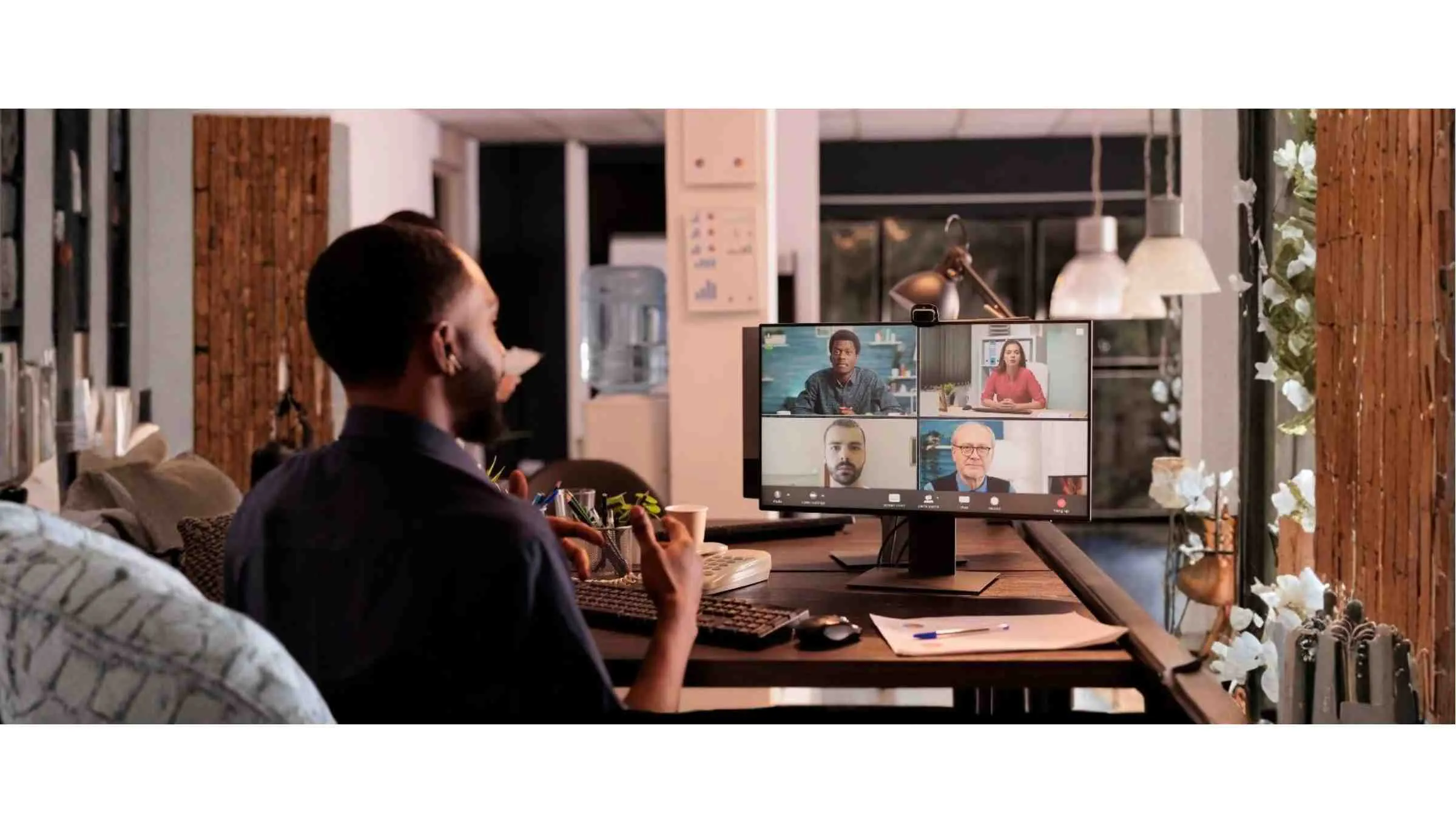
For virtual meetings, all of this still applies — plus: stable internet, decent lighting, and a background that doesn't undermine your credibility.
When You're New to a Company or Team
Starting a new job is basically an extended networking event. A few etiquette rules that will serve you well:
- Introduce yourself proactively — don't wait to be introduced to everyone
- Learn names quickly — it signals genuine interest in the people around you
- Listen before you lead — resist the urge to immediately pitch changes or improvements
- Ask questions — curiosity is always better received than assumptions
If you're building your network while starting a new chapter, our guide on building your career network is a solid read.
Common Etiquette Mistakes (That Are Easy to Fix)
Even well-intentioned professionals slip up. Here are the most common ones — and what to do instead:
| ❌ The Mistake | ✅ What To Do Instead |
|---|---|
Checking your phone mid-conversation | Keep it in your pocket; give full attention |
Only talking about yourself | Balance every share with a question |
Not following up after meeting | Send a message within 24 hours |
Handing out cards to everyone like flyers | Be selective and intentional about who you connect with |
Leaving abruptly | Close the conversation warmly with a natural exit line |
How KADO Fits Into Your Professional Etiquette Toolkit
Good etiquette doesn't stop when the conversation ends. A big part of professional relationship management is what happens after — staying organized, following up thoughtfully, and keeping your contact information accurate.
KADO helps professionals do this without friction. Your digital business card stays updated automatically (no more handing out outdated info), you can share it instantly without fumbling through a bag, and you can log notes and tags on new contacts right after meeting them.
For teams attending events or making lots of new connections, KADO also offers CRM integrations — so the people you meet don't just land in your phone, they land in your pipeline. It's the kind of tool that makes your etiquette efforts actually stick.
Final Thoughts
Professional etiquette isn't about being stiff or formal. It's about showing up for people — making them feel heard, respected, and glad they met you.
The basics are simple: introduce yourself clearly, listen well, stay present, and follow up. But consistency is what sets people apart. The professionals who build the strongest networks aren't necessarily the most outgoing — they're the most intentional.
The next time you walk into a room full of people you don't know, you've already got a head start.
Domande Frequenti
What is professional etiquette when meeting someone for the first time?
Professional etiquette when meeting someone new includes offering a confident handshake, making eye contact, introducing yourself clearly, listening attentively, and following up within 24 hours. It's about making the other person feel respected and valued from the very first interaction.
How do I introduce myself professionally?
State your name, your role, and what you do in plain language — no jargon. Keep it to 2–3 sentences. The goal is to be memorable and give the other person something easy to respond to or ask about.
What is considered good business etiquette?
Good business etiquette includes being on time, listening actively, not interrupting, following up after meetings, being prepared, and treating everyone — regardless of their title — with the same level of respect.
What's the best way to exchange contact information at a networking event?
Skip the paper cards — they get lost. Use a digital business card (like KADO) to share your contact details instantly via a QR code or tap. It's faster, more reliable, and leaves a better impression.